
From Steve — IICRC Stone, Masonry & Ceramic Tile
What each stone type actually needs
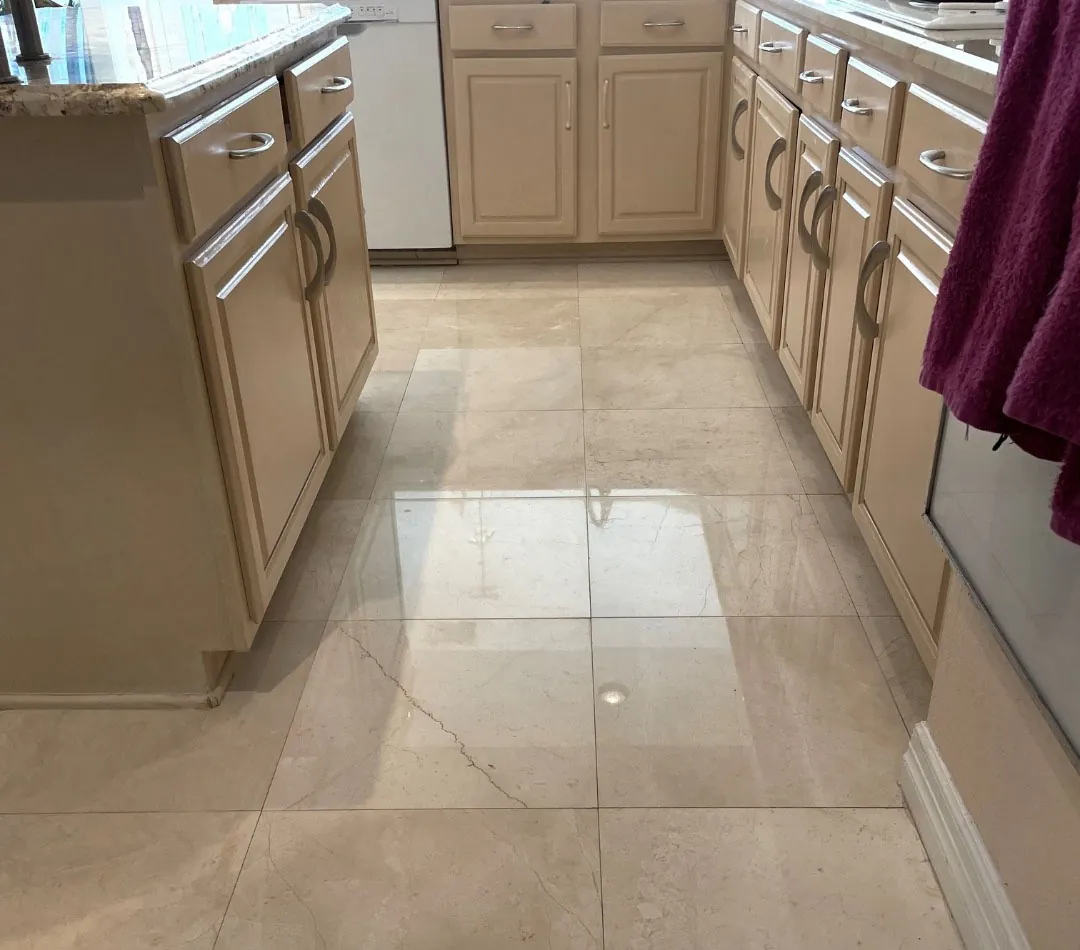
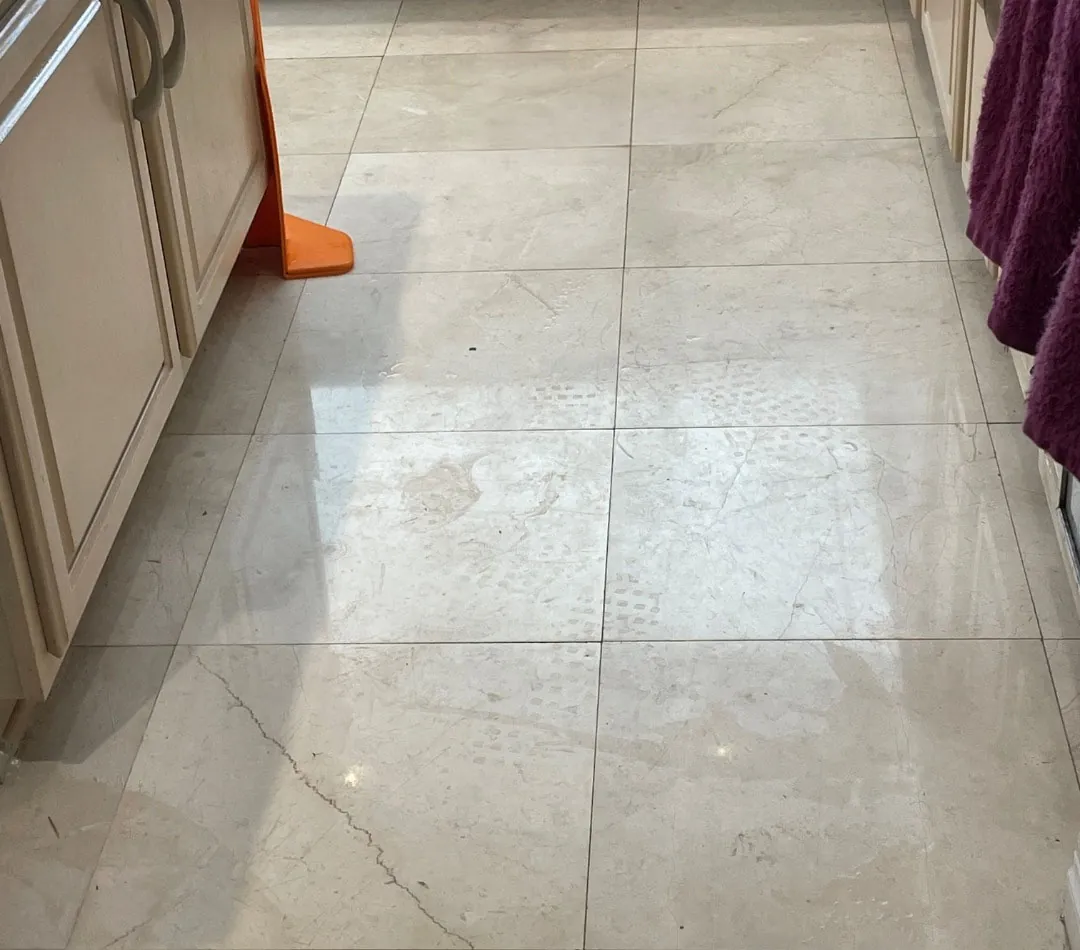
Marble. Calcium carbonate. pH-neutral cleaning only. Acidic anything (vinegar, lemon, tomato, some tile "cleaners" from the hardware store) etches it permanently within seconds. Etches can be honed out if they're shallow, but the answer is education first — get marble-safe cleaner on your counter and use coasters under wine glasses.
Travertine. Sedimentary limestone with visible pores and voids. Beautiful, and needs periodic filling with a color-matched epoxy or grout to keep the pores from becoming dirt-traps. Cleans with pH-neutral chemistry. Sealer every 12–24 months in a residential setting.
Saltillo. Fired clay from Saltillo, Mexico. Extremely porous. Traditional finish is a topical wax/sealant that yellows and wears in traffic patterns. San Antonio's hard water and heat shorten sealant life. Our typical Saltillo job is strip the old sealant, deep clean, apply a modern penetrating sealant plus a topical wear layer, and give you a maintenance schedule.
Granite. Quartz and feldspar with mica flecks. The most durable stone we service. Neutral chemistry, penetrating sealer every 2–3 years, done. Deep stains (oil, red wine) can be pulled with a poultice.
Limestone and flagstone. Variable porosity. Some limestone behaves like marble; some like travertine. We test in a corner first, always.
Honing vs polishing vs sealing (they're different services)
Homeowners often ask for one and mean another. Here's the plain-English distinction:
- Cleaning — removes dirt, soap film, and light staining from the surface. Doesn't change the finish.
- Honing — grinds a very thin layer off the stone with progressive diamond pads to remove etching and level minor surface damage. Ends in a matte finish.
- Polishing — continues the diamond-pad progression to fine grits that create a reflective shine. Marble and granite polish; travertine and saltillo don't.
- Sealing — applies a penetrating or topical protective layer after the surface is clean and dry. Doesn't change appearance in the case of a quality penetrating sealer.
Most residential jobs are clean + seal. Restoration jobs are clean + hone + polish + seal.
The San Antonio problem: hard water + high humidity + saltillo
Bexar County water hardness runs about 15–20 grains per gallon — very hard. On stone that means mineral deposits build up around anywhere water sits (shower walls, kitchen backsplashes, indoor water features). White chalky film. Not dirt. Won't come off with soap.
Combine hard water with our humid summers and permeable saltillo, and you get the classic San Antonio ranch-house floor problem: yellowed topical sealant, dark traffic patterns down the middle of the hall, and grout lines that look darker than the tile itself. Stripping the old sealant is 60% of the labor on those jobs; the actual cleaning is fast once the wax is gone.
Sealing after cleaning — the step that protects the work
Sealant is the maintenance dollar with the highest ROI in stone care. Without it your just-cleaned marble kitchen island starts absorbing olive oil the same day. Your just-cleaned travertine shower starts holding soap film again the first time anyone showers. Your just-cleaned saltillo is dark in the traffic areas within a season.
We apply penetrating sealers (impregnators) that go into the stone and bond inside the pore. Invisible on the surface. On saltillo we add a topical wear layer over the penetrating sealer because bare saltillo scuffs. On polished marble we use a fluoropolymer-based sealer that doesn't dull the shine.
Test whether your existing sealer is still working: drop a few beads of water on the stone. If it beads for 5+ minutes, you're still protected. If it darkens the stone within a minute, you're due.
Related — go deeper on a specific stone
We have dedicated writeups for each stone type: marble, travertine, saltillo, and granite. If the stone in question is inside a shower or a tile floor, our tile & grout cleaning page covers the grout side of the same job.
Ready for a walkthrough? (210) 599-9726 or request an estimate.